Read our latest newsletter. Our latest newsletter is now available with updates, photos and stories of what is going on the EUZW Project
- Author
-
Bright Chisadza

- Title
- Zimbabwean And European Universities Unite In Sweden To Advance Innovation In Higher Education
- News
-
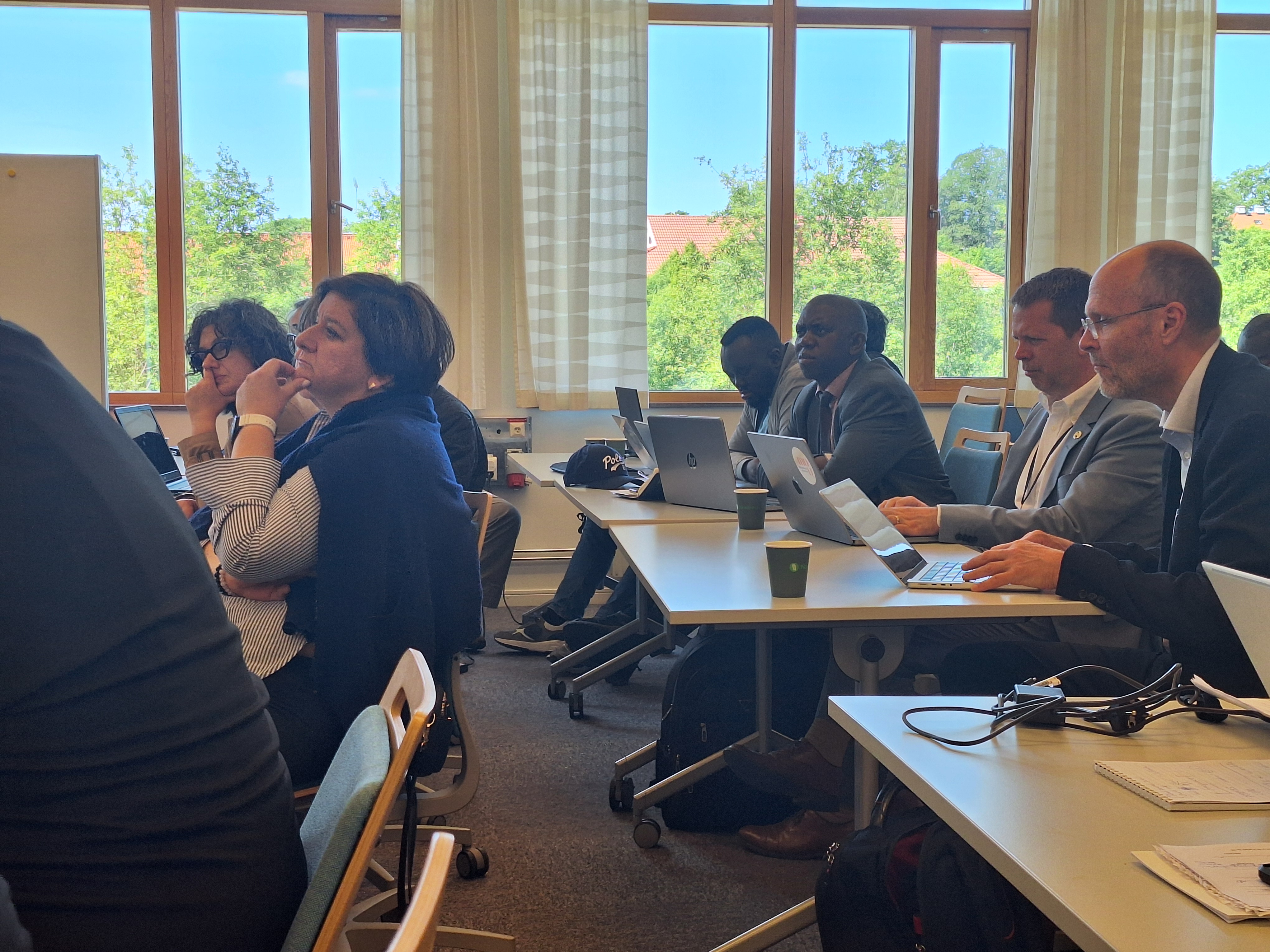
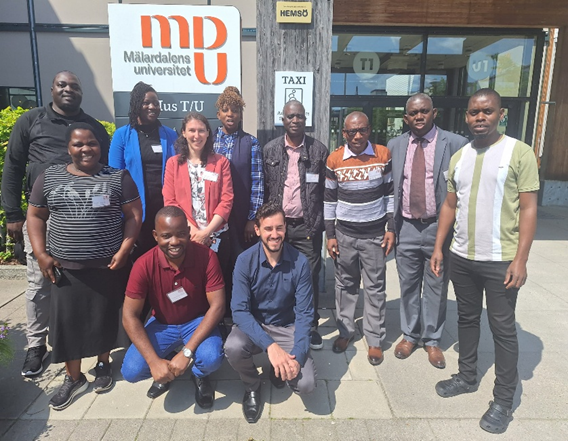
In a landmark moment for the EU-Zimbabwe (EU-ZW) Capacity Building project, university representatives from Zimbabwe met in person for the first time with their European partners at a collaborative Erasmus+ gathering in Sweden. Zimbabwean institutions included the National University of Science and Technology, University of Zimbabwe, Chinhoyi University of Technology, Midlands State University, Lupane State University, and EXPLORE Energy Sweden AB (EES), joined by European counterparts from Mälardalen University (MDU), the Polytechnic University of Madrid (UPM), and others. The event, hosted at KTH Royal Institute of Technology (Stockholm) and MDU (Västerås), was part of the combined EDU-ABCM, EU-ZW, and EU-AGM meetings under the EU Erasmus+ Capacity Building in Higher Education programme. This face-to-face gathering marked a pivotal step forward in a project that has been running for over 17 months. The focus of the day was on Challenge-Driven Learning (CDL) a bold, hands-on teaching method led by MDU that equips students with 21st-century skills by solving real-life challenges in collaboration with industry and communities.
Highlights of the Day (12 July 2025)
1. Understanding the EEDA Concept: A 360° WinA session on the Entrepreneurial, Experiential Digital Academy (EEDA) concept captured attention with its “benefits at 360°” approach. The model fosters:• Global and collaborative learning• Learners gaining real-world skills through international experiences• Industry supplying real challenges for hands-on learning• Companies hiring better-prepared, lifelong learners• Academics and industry working together to align education with societal needsThis model emphasizes the flipped classroom, entrepreneurial mindset, and lifelong learning, ensuring relevance in today's rapidly changing world.2. Explore Energy Framework: A Future-Oriented Learning SystemParticipants also engaged with the Explore Energy Framework presented by EXPLORE Energy Sweden AB (EES), which supports educators globally in offering high-quality, digital, modular learning in energy systems and the circular economy.The framework provides a robust guide through four key perspectives:• The workforce and professional roles needed in the energy sector• The content being taught in modern curricula• How learning is structured and sequenced• How learning is recognized, through outcomes and assessmentsThis ties directly into the EU Commission’s Skills Agenda, microcredentials, and the Europass Digital Credential system that ensures international recognition of skills.3. Real-World Inspiration: From HITACHI to Remote LabsA particularly exciting part of the day was a live interactive session with a representative from HITACHI, who shared real-world insights on engineering innovation, digital transformation, and industrial expectations from graduates.Participants also had the opportunity to tour MDU’s remote laboratories, experiencing firsthand how students from across the globe can access and conduct real-time experiments using cutting-edge infrastructure — a powerful tool for Zimbabwean universities seeking to bridge local resource gaps.Looking AheadThe meeting was not just a reflection point it was a launchpad for intensified collaboration. Partners left energized and aligned, with renewed focus on adapting Challenge-Driven Learning, enhancing remote education access, and creating globally-connected but locally-relevant education systems. The EU-ZW project continues to drive change in Zimbabwean higher education by fostering partnerships that connect students, educators, and industries across borders — with real impact and long-term benefits.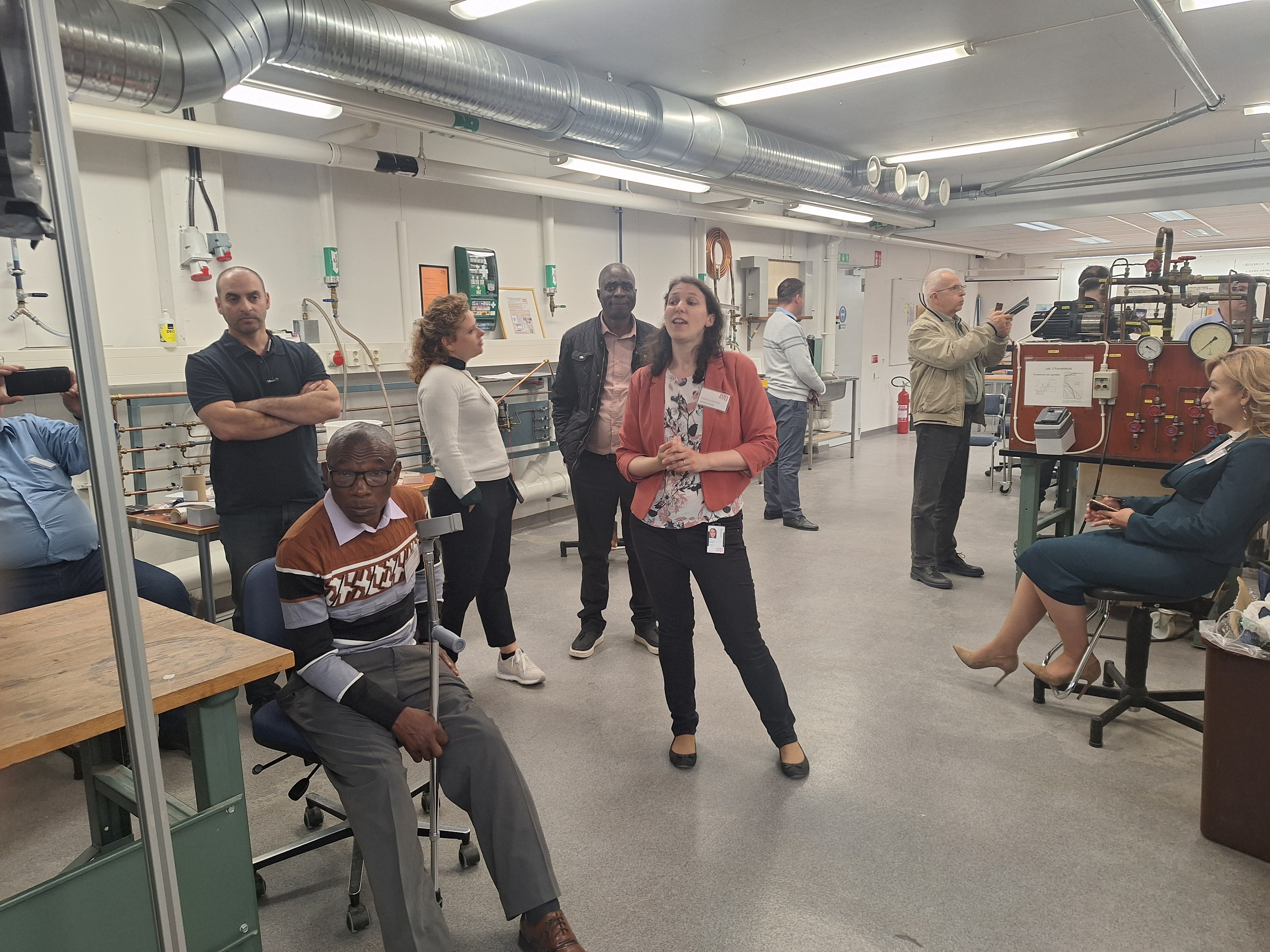

....END....